Shopify Catalog Visibility
Event Information
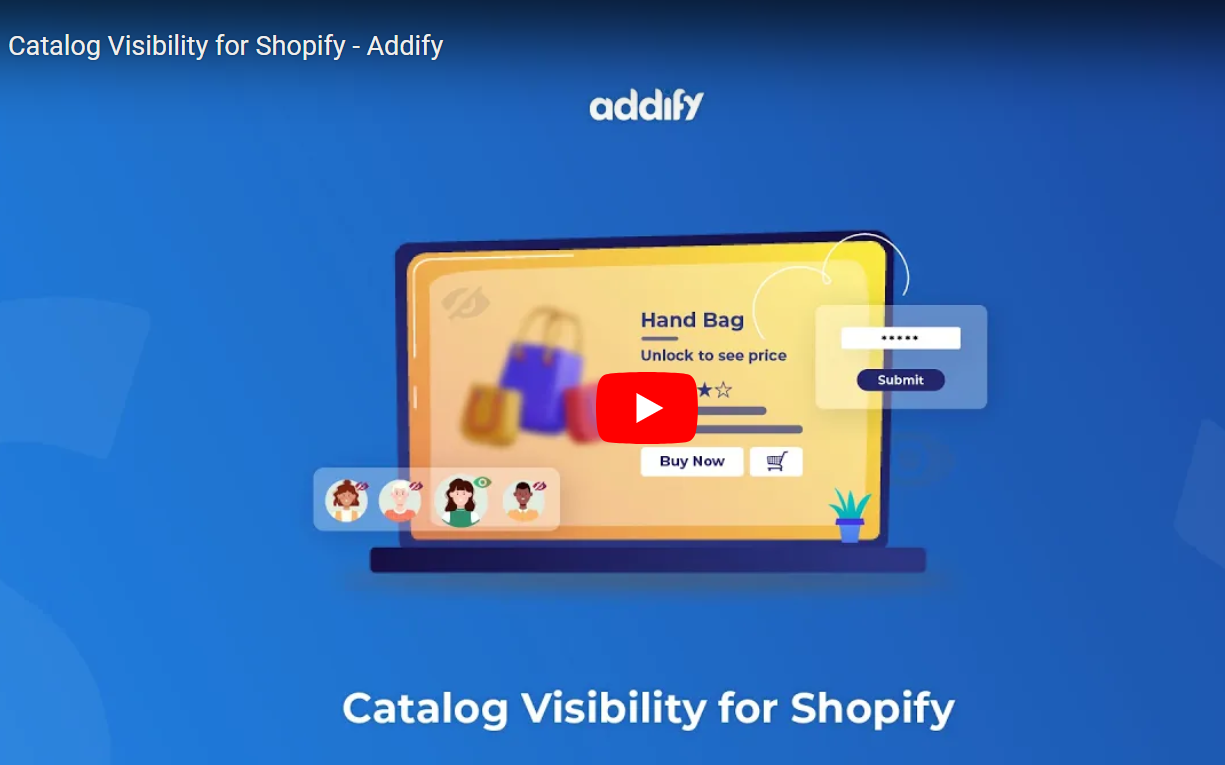
Product visibility is a key component of running a successful Shopify store. It determines whether your customers can see and access your products on your online storefront and other sales channels. Several factors influence Shopify product visibility, including settings within your store, customer segmentation, and external influences like search engine optimization (SEO). Understanding these factors is crucial for creating an efficient and user-friendly shopping experience while maximizing sales opportunities.
Let’s dive into the main factors that impact Shopify product visibility and how you can manage them effectively.
1. Product Status and Availability Settings
The most direct factor affecting shopify product visibility is how you configure a product's status and availability in Shopify. Products can have the following statuses:
Active: The product is live and visible to customers.
Draft: The product is incomplete and hidden from customers.
Archived: The product is no longer visible or sold, but remains in your database for record-keeping.
Additionally, product visibility depends on the sales channels you enable. Shopify allows you to control whether a product is visible on the online store, point-of-sale (POS) systems, or third-party platforms like Amazon and eBay.
How to Manage It
Regularly review your product statuses and availability settings to ensure active products are correctly displayed on the desired channels.
2. Collections and Categorization
Shopify collections help group products based on themes, categories, or rules. They play a significant role in determining what customers see when browsing your store. Properly organized collections improve product discoverability and enhance visibility.
For example:
Manual Collections: Products are added manually and shown based on your preferences.
Automated Collections: Rules such as tags, price ranges, or inventory levels automatically determine which products are included.
Impact on Visibility
Incorrectly configured collections can result in products being excluded from relevant categories, reducing their visibility.
How to Manage It
Use logical and customer-friendly categories to group products, and audit collections regularly to ensure all relevant products are displayed.
3. SEO Optimization
Search engine optimization (SEO) is a critical external factor influencing your Shopify product visibility. Products optimized for search engines appear higher in search results, attracting more organic traffic.
Key SEO Elements:
Product Titles and Descriptions: Use clear, keyword-rich titles and engaging descriptions.
Meta Tags: Include relevant keywords in meta titles and descriptions.
Alt Text for Images: Use descriptive alt text for product images to boost image search visibility.
URL Structure: Ensure URLs are clean and keyword-focused.
How to Improve SEO
Conduct keyword research and regularly update product pages to align with current trends and customer search behavior.
4. Inventory Levels
Shopify automatically hides out-of-stock products if inventory tracking is enabled. This prevents customers from encountering unavailable items, but it can also impact visibility if stock is frequently depleted.
How to Manage It
Keep track of inventory levels to avoid unnecessary product removal. Consider using apps to display "back in stock" notifications or pre-order options.
5. Customer Segmentation
For businesses with diverse customer groups, product visibility can be customized based on customer roles or demographics. For example, wholesale customers might see different products or pricing compared to retail shoppers.
Tools to Manage Segmentation:
Shopify apps like Locksmith or Advanced Product Visibility allow you to restrict or enable visibility based on criteria like customer type, location, or purchase history.
How to Manage It
Define clear customer groups and apply visibility rules that align with your business goals.
6. Geographic and Regional Restrictions
If your store caters to international customers, product visibility may vary based on regional availability, shipping limitations, or legal restrictions.
How to Manage It
Use location-based settings or third-party apps to restrict visibility for certain regions while highlighting relevant products for specific audiences.
7. Discounts and Promotions
Time-sensitive discounts or promotions can influence product visibility. Limited-time offers often require products to be prominently displayed during the promotional period and hidden afterward.
How to Manage It
Use Shopify’s scheduling tools or apps to automate the visibility of promotional products and manage their availability effectively.
8. Product Images and Visuals
High-quality images are essential for product visibility, particularly on visual-heavy platforms like social media or search engine image results. Poor visuals can make a product less appealing, reducing its visibility and customer engagement.
How to Improve It
Invest in professional photography and optimize images with descriptive file names and alt text.
9. App Integrations and Sales Channels
Shopify integrates with various apps and platforms to expand product visibility. However, the effectiveness of these integrations depends on proper configuration.
How to Manage It
Ensure all connected sales channels are active and synced with your product catalog. Test integrations regularly to confirm products appear as intended.
Conclusion
Shopify product visibility is influenced by a range of factors, from internal settings like product status and collections to external factors like SEO and customer segmentation. Managing these elements effectively ensures your products are easily discoverable, relevant to your target audience, and aligned with your business goals.
By understanding and optimizing the factors outlined in this guide, you can create a streamlined and engaging shopping experience that drives traffic and boosts sales. Keep your catalog organized, leverage Shopify tools and apps, and stay proactive in monitoring visibility settings for long-term success.


Townhall Learn More
