Top 10 Best Winter Treks in India for Beginners
Event Information
When winter in India cloaks the mighty Himalayas and other mountainous regions in snow, adventure enthusiasts and seasoned trekkers alike head out for winter trekking — an outdoor activity that brings them closer to nature while testing both physical strength and mental strength. From freezing places like Ladakh, Uttarakhand, and Himachal Pradesh to the more mild regions of Arunachal Pradesh, Manipur, Meghalaya, Mizoram, Nagaland, Sikkim, Tripura, Assam, and West Bengal, India offers countless trails that transform into adventurous snow treks during the cold months.

Blanketed in snow carpets, dotted with frozen lakes, and lined with some of the best forest trails, these journeys through 12 states reveal the country’s natural gifts and incredible views. For beginners, each trek is a jackpot experience — a chance to explore the serenity and thrill of winter without facing overly harsh climate conditions. Whether in the Himalayas or beyond, these winter treks in India promise a perfect mix of adventure, beauty, and soulful discovery.
1. Kedarkantha Trek (Uttarakhand)
- Altitude: 3,810 m
- Duration: 5D/4N
- Difficulty: Easy–Moderate
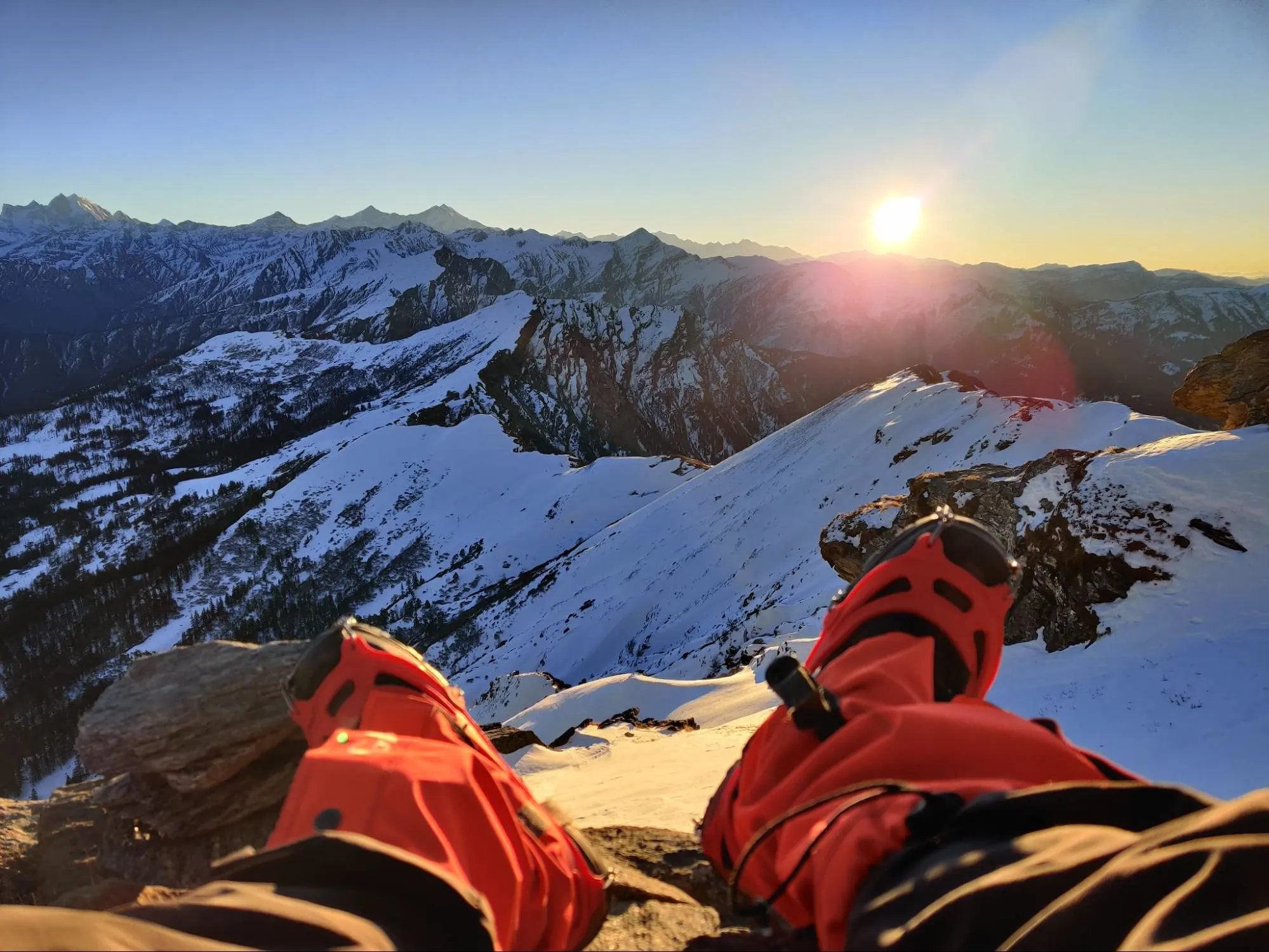
Arguably India’s most popular winter trek, Kedarkantha in Uttarakhand offers amazing Himalayan views perfect for beginners and experienced trekkers alike. Starting from the base camp at Sankri, the trail ascends gradually through dense, untouched forests of pine, oak, and rhododendron, crossing frozen streams, open meadows, and sparkling snowfields. Along the way lies the serene lake, Juda Ka Talab, one of the most scenic highlights of this 20 km journey.
At an altitude of 12,500 ft, the summit climb rewards trekkers with a panoramic 360° view of the mighty Himalayas, including Swargarohini, Bandarpoonch, Black Peak, the Ranglana Range, and the distant Yamunotri Range — an achievement that feels both humbling and exhilarating. The total distance may include some steep sections, but the clear, scenic beauty and reliable snowfall from December to March make this easy to moderate level trek less challenging and deeply fulfilling for those seeking adventure and serenity.
2. Dayara Bugyal Trek (Uttarakhand)
- Altitude: 3,688 m
- Duration: 4D/3N
- Difficulty: Easy–Moderate
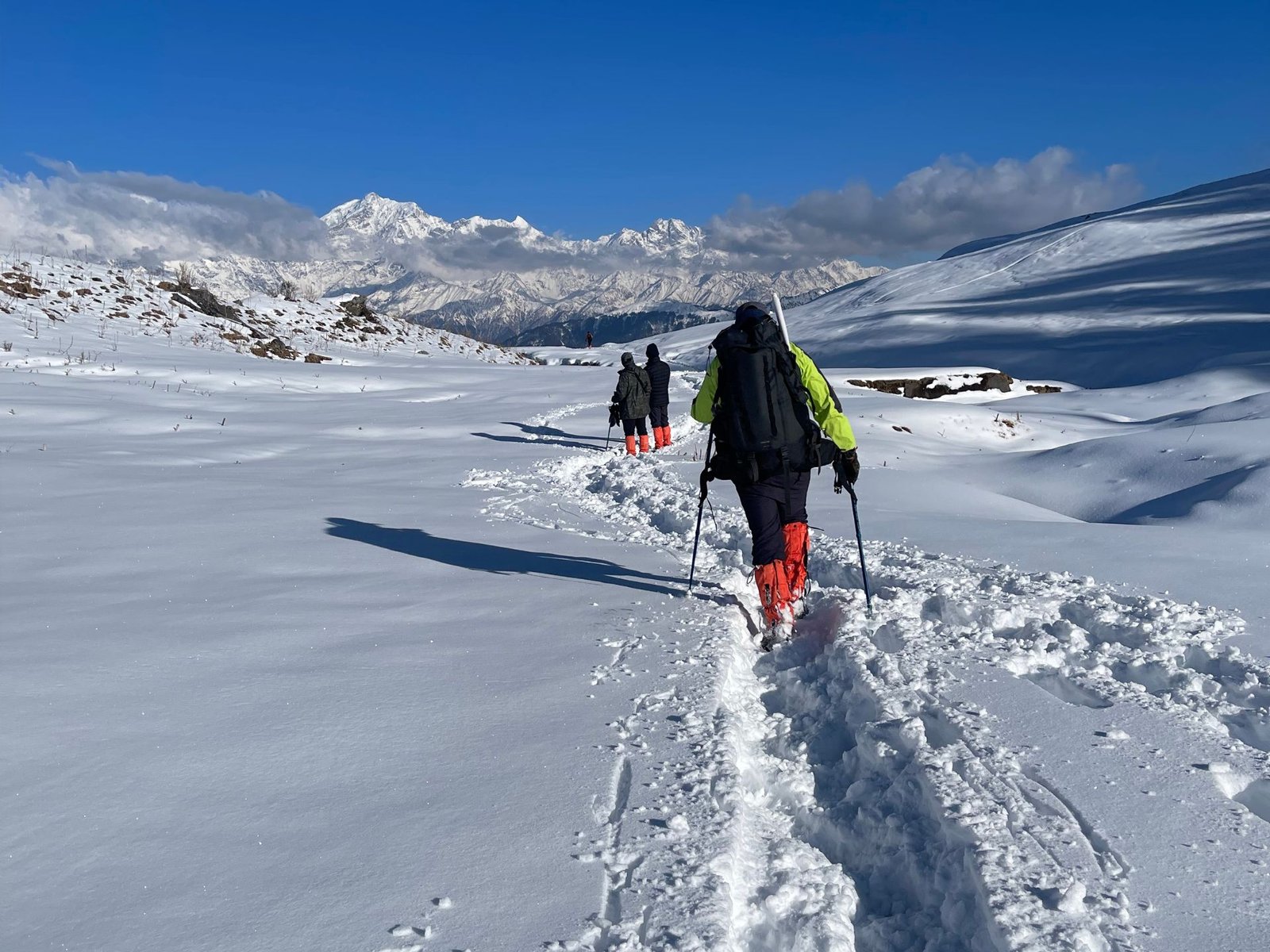
The word Bugyal means “meadow” in the local Garhwali dialect — and Dayara Bugyal is truly one of the most beautiful, popular, and refreshing trekking destinations in Uttarakhand, India. Starting from Raithal Village, the trail follows a gradual ascent through peaceful forest walks of rhododendron and deodar, eventually opening into lush green meadows and wide alpine meadows surrounded by majestic Himalayan views.
In winter, this high-altitude wonder transforms into a realm of snowy trails, a paradise for snow lovers, families, children, and adventure enthusiasts. During summer, the Garhwal Himalayas bloom with color, making it a perfect destination for those who wish to explore the natural beauty and scenic charm of the Himalayas. The 3 to 4 days journey rewards trekkers with breathtaking views of Mt. Bandarpunch, Black Peak, Srikanth, Draupadi Ka Danda (DKD), Janoli, and the Gangotri range, each contributing to the serene, postcard-perfect mountain vistas and unforgettable trekking experience.
Brahmatal Trek (Uttarakhand)
- Altitude: ~3,700 m
- Duration: 6 Days
- Difficulty: Easy–Moderate
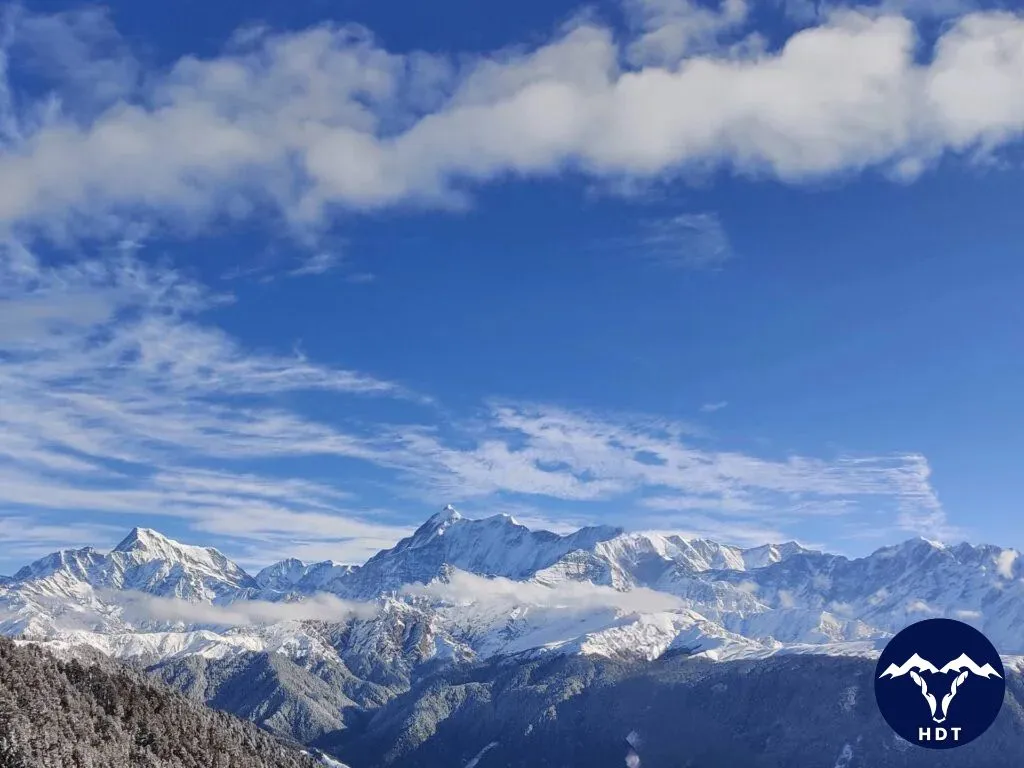
Nestled in the Chamoli district of Uttarakhand, Brahmatal is an enchanting, alpine trek in the Uttarakhand Himalayas, offering a beautiful winter experience for both beginners and experienced trekkers. Situated at an altitude of about 10,190 feet, the trail gradually rises to the summit at Brahmatal Top, reaching an elevation of 12,250 feet. Over 5–6 days, the route from Dehradun or Rishikesh takes you through frozen streams, serene snowfields, and quiet lakes, creating a scenic and spiritual adventure that feels timeless.
From the summit top, trekkers can explore the panoramic, clear views of Mt Trishul (7,138 m), Nanda Ghunti (6,309 m), and Chaukhamba (7,120 m) — towering Himalayan peaks that define the horizon. The high altitude and mountain stillness make it one of the best, most famous, and suitable winter treks in India. The frozen lake shimmering beneath golden dawn light captures the essence of Brahmatal perfectly — serene, adventurous, and otherworldly.
4. Chopta Chandrashila Trek (Uttarakhand)
- Altitude: 4,000 m
- Duration: 3 Days
- Difficulty: Easy
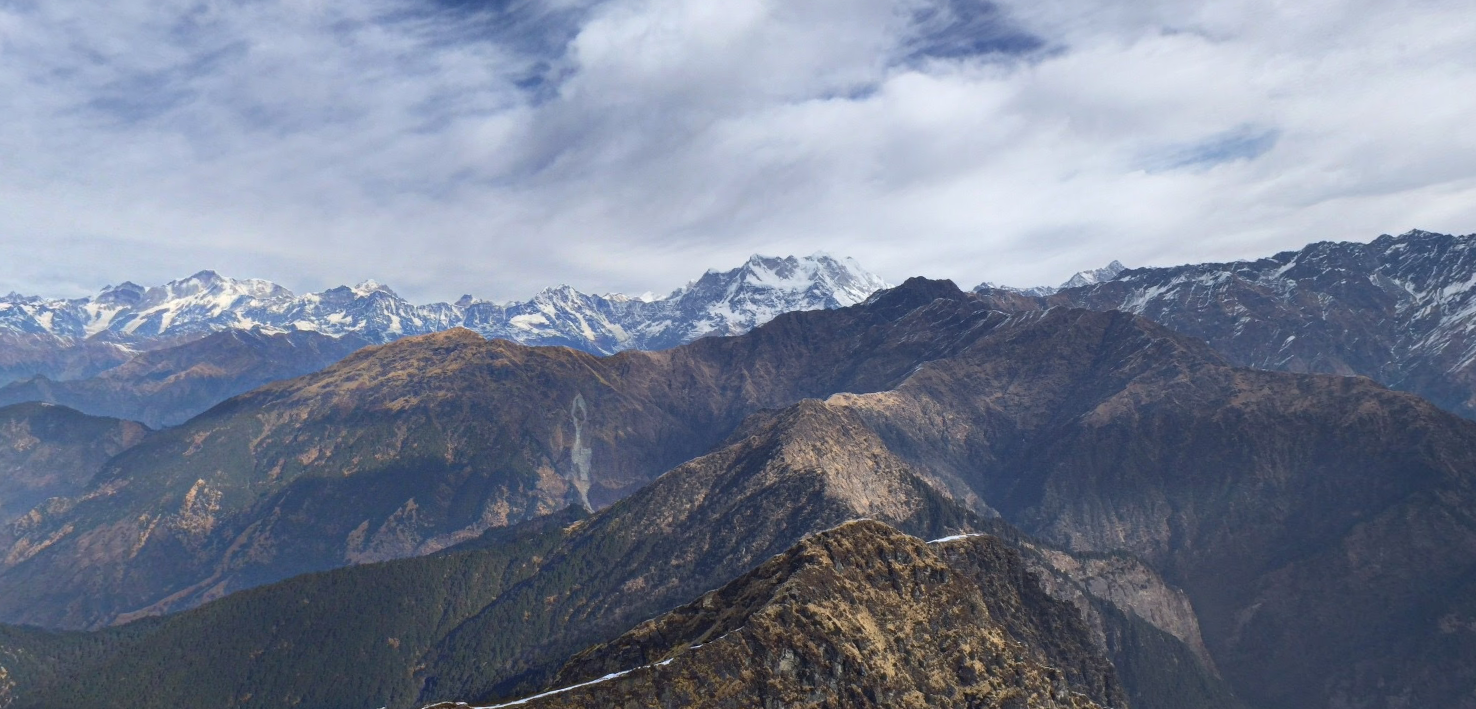
The Chopta–Tungnath–Chandrashila trail blends spirituality with Himalayan adventure. Beginning from the charming Chopta valley, the path winds past Tungnath Temple, the highest Shiva shrine in the world, before reaching Chandrashila Peak, which offers panoramic views of Nanda Devi, Chaukhamba, and Kedarnath.
During winter, the trail is carpeted in snow, and the air feels sacredly still. The trek’s short duration and gentle gradient make it ideal for families and first-time trekkers seeking a spiritual yet scenic escape.
Nag Tibba Trek (Uttarakhand)
- Altitude: ~3,022 m
- Duration: 2 Days
- Difficulty: Easy
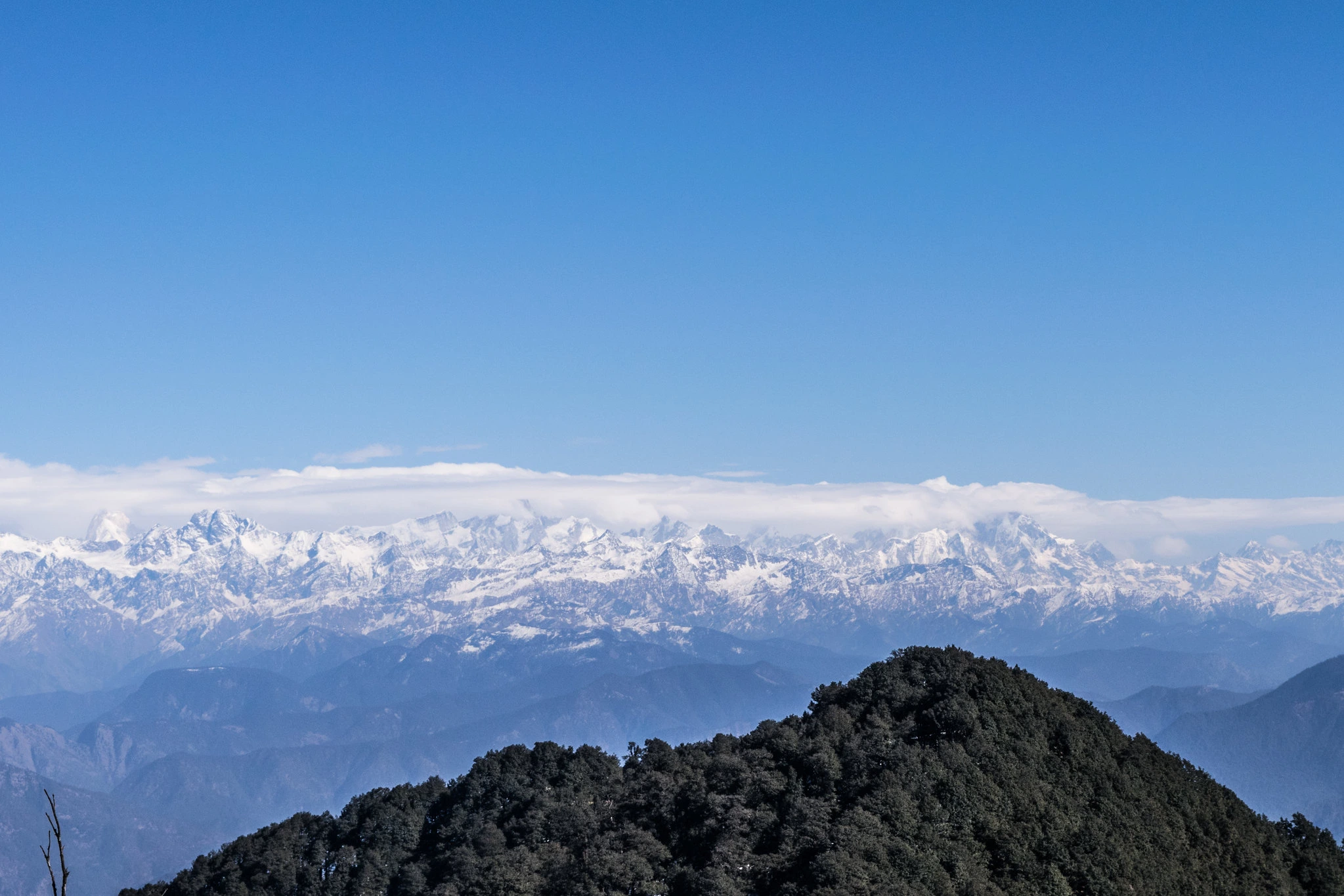
Known as the ‘Serpent’s Peak’, Nag Tibba is the closest snow trek to Delhi — perfect for a weekend getaway. The trail from Pantwari village meanders through forests of oak, pine, and rhododendron, leading to open ridges with sweeping views of the Swargarohini and Gangotri ranges.
With minimal altitude gain and easy accessibility, this 2-day trek is a wonderful choice for those new to winter trekking. Camping under a star-lit Himalayan sky adds just the right touch of wilderness and wonder.
6. Kuari Pass Trek (Uttarakhand)
- Altitude: ~3,658 m
- Duration: 6 Days
- Difficulty: Moderate
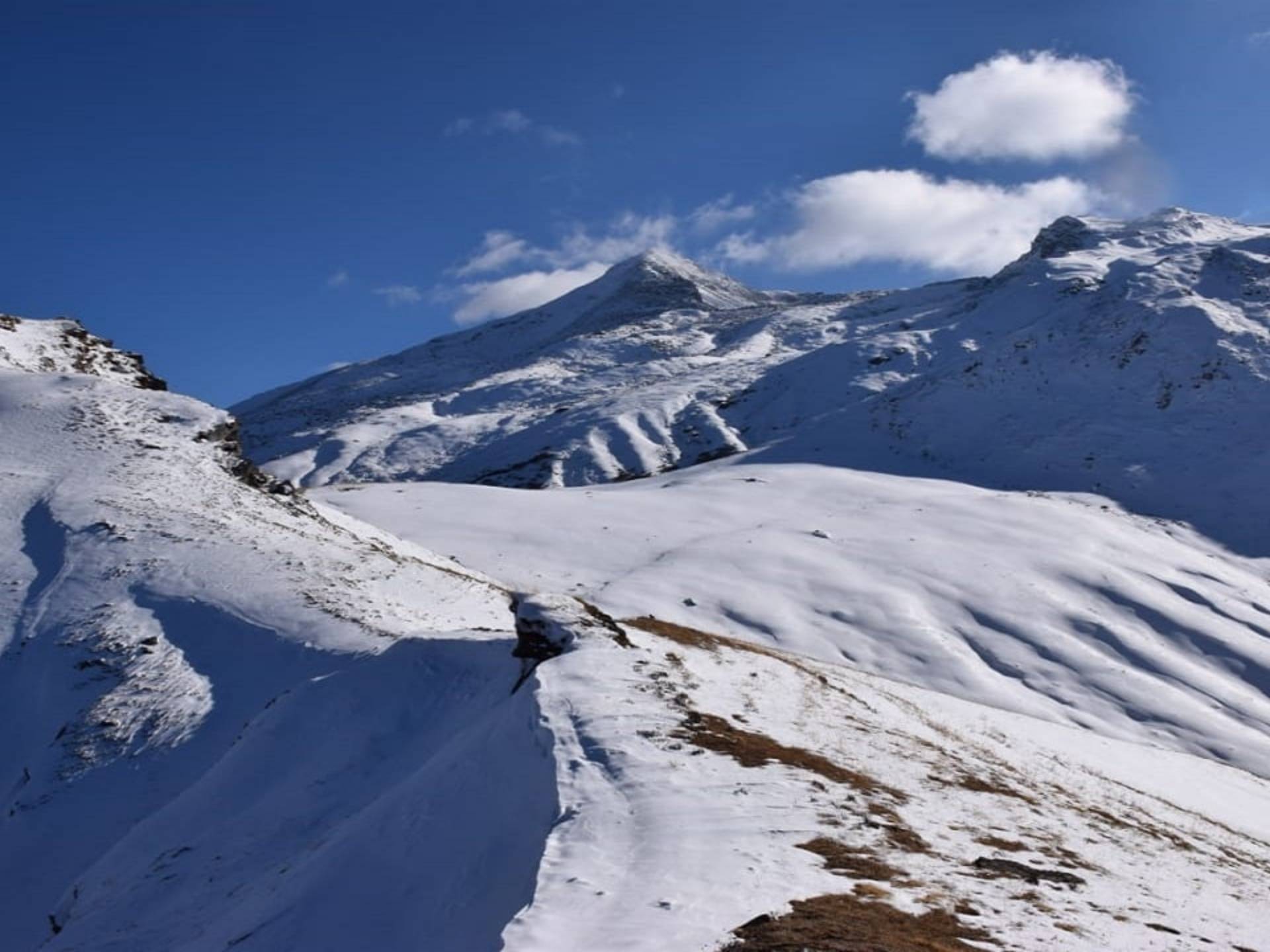
Famously known as the Curzon Trail, the Kuari Pass Trek in the Chamoli district of the Uttarakhand Himalayas is a high-altitude trail that offers breathtaking views and an unforgettable experience for both beginners and experienced trekkers. Starting from Dhak village, this easy to moderate trek spans a round trip of 33 kilometers, ascending to an altitude of 12,500 feet through enchanting forests and meadows that showcase the true Uttarakhand beauty.
During the winter trek, the landscape transforms into a pristine white wonderland, while in other seasons, the vibrant hues and changing colors of the beautiful landscapes captivate every nature lover and adventure seeker. From the pass, trekkers are rewarded with majestic peaks like Nanda Devi, Kamet, Hathi Ghoda, and Dronagiri, painting a scenic journey through the heart of the Himalayas. Truly, the Kuari Pass is a trek that reveals India’s mountain magic in every season’s charm.
7. Gulabi Kantha Trek (Uttarakhand)
- Altitude: ~13,200 feet (4,023m)
- Duration: 5 Days
- Difficulty: Easy–Moderate
Gulabi Kantha Trek is a beautiful trekking trail in the Uttarkashi District, Uttarakhand, India, perfect for beginners and adventure lovers seeking serene Himalayan experiences. Starting from Hanuman Chatti, a quaint Garhwali hamlet, this easy to moderate trail passes through lush bugyals, vibrant alpine flora, and quiet meadows, with campsites like Kandola campsite, Seema Thatch, Nishni, and Jhandi Point along the way.
At an altitude of 13,200 ft (4,023 m), the Himalayan summit offers breathtaking views of snow-covered peaks, deep valleys, and distant horizons including Bandarpunch, Chaukhamba, Yamunotri Dham, and the Yamuna Valley. The trek features some steep ascents and mild challenges, rewarding trekkers with sunrise and sunset scenes above wool-shaped clouds, moments of pin drop silence, and an adrenaline rush unlike any other. Still less-crowded and precious, this region remains an impressive, peaceful escape into the heart of the Himalayas.
8. Sandakphu Trek (West Bengal/Sikkim Border)
- Altitude: 3,636 m
- Duration: 6 Days
- Difficulty: Easy–Moderate
If you’ve ever dreamed of seeing Mt. Everest and Kanchenjunga in one frame, the Sandakphu Trek delivers just that. Walking along the Singalila Ridge, trekkers cross in and out of India and Nepal, experiencing diverse cultures and stunning Himalayan views.
This is one of the few treks in India with teahouse stays, making it comfortable for beginners. In winter, the ridge gets lightly dusted with snow, and the chilly mountain air feels refreshing and pure.
9. Khaliya Top Trek (Uttarakhand)
- Altitude: ~3,500 m
- Duration: 4–5 Days
- Difficulty: Easy
Tucked in the picturesque Kumaon region near Munsiyari, Khaliya Top offers a refreshing mix of alpine meadows, pine forests, and magnificent Himalayan panoramas. The trek rewards trekkers with stunning views of Panchachuli, Rajrambha, and Nanda Kot peaks.
This lesser-known trail is perfect for birdwatchers, photographers, and first-timers who prefer peaceful paths over crowded routes. During winter, the meadows shimmer under layers of snow, creating postcard-perfect moments at every turn.
10. Deoriatal–Chandrashila Trek (Uttarakhand)
- Altitude: 12,000 ft
- Duration: 4 Days
- Difficulty: Easy–Moderate
A delightful combination of lakeside serenity and mountain majesty, the Deoriatal–Chandrashila Trek begins near Sari village and leads to the pristine Deoriatal Lake, famous for its mirror-like reflections of Chaukhamba peaks.
The trail passes through Tungnath Temple before reaching Chandrashila Summit, where the panoramic sunrise paints the snow peaks in hues of gold. It’s an ideal choice for beginners seeking a short yet immersive Himalayan adventure.
Tips for Your Winter Trek Journey
- Check weather updates and local advisories before starting your trek.
- Dress in layers — thermals, fleece, and a waterproof outer shell work best.
- Carry essentials: trekking shoes, gloves, socks, torch, and first-aid kit.
- Acclimatize well and stay hydrated to avoid altitude sickness.
- Join organized treks or local guides for safety and navigation support.
- Respect the environment: leave no waste, and avoid plastic use.
Final Thoughts
Winter trekking in India opens the door to snowy adventures, starlit nights, and peaceful Himalayan landscapes — all within the reach of first-time trekkers. Whether it’s the spiritual charm of Chopta Chandrashila, the solitude of Ali Bedni Bugyal, or the timeless beauty of Kedarkantha, each trail offers something unforgettable.
With the right gear, guidance, and spirit of adventure, even a beginner can find pure magic in the Indian Himalayas this winter.
FAQs related to Winter Treks in Uttarakhand
1. Which is the best winter trek in India for beginners?
The Kedarkantha Trek in Uttarakhand is widely regarded as the best winter trek for beginners. It offers gentle trails, consistent snowfall, and breathtaking summit views of the Garhwal Himalayas. Other beginner-friendly options include Dayara Bugyal, Brahmatal, and Nag Tibba, all of which combine manageable gradients with stunning scenery.
2. What are the best months for winter treks in India?
- The best months for winter trekking in India are December to March.
- December–January: Heavy snowfall and true winter charm.
- February–March: Stable weather, clearer skies, and gentler conditions.
- Treks like Sandakphu and Kuari Pass are ideal from December onward, while Chopta Chandrashila and Nag Tibba remain accessible even into early spring.
3. Is winter trekking safe for beginners in India?
Yes — with proper preparation and guidance, winter treks in India are safe for beginners. Choose well-known trails with established routes, travel in groups, and always hire certified guides or join reputable trekking organizations.
Carry warm clothing, waterproof boots, and check weather and snowfall conditions before departure.
4. What should I pack for a winter trek in the Himalayas?
Packing right is crucial for comfort and safety. Here’s a quick checklist for winter trekking in India:
- Clothing: Thermal layers, fleece jacket, down jacket, windproof shell
- Accessories: Woolen gloves, cap, sunglasses, and scarf
- Footwear: Waterproof trekking shoes with good traction
- Gear: Trekking poles, headlamp, power bank, and reusable water bottle
- Extras: Sunscreen, lip balm, energy bars, and a personal first-aid kit
5. Do I need to be fit to do beginner winter treks in India?
- You don’t need to be an athlete, but basic fitness helps.
- Start light exercises like brisk walking, jogging, or stair climbing 3–4 weeks before your trek.
- Even easy treks like Dayara Bugyal or Nag Tibba require stamina for 4–6 hours of walking daily. A bit of pre-trek preparation ensures you enjoy the experience without exhaustion.
6. Are these treks suitable for families and children?
Yes, several winter treks in India — especially Dayara Bugyal, Nag Tibba, and Chopta Chandrashila — are ideal for families, including children above 8–10 years old. These trails have gentle gradients, shorter distances, and scenic campsites that make trekking fun and safe for all age groups.
7. What type of accommodation is available on winter treks?
Accommodation depends on the route:
- Uttarakhand treks (Kedarkantha, Brahmatal, etc.): Usually tents or alpine huts, with warm sleeping bags and group camping.
- Sandakphu (Sikkim/West Bengal): Offers cozy teahouses or homestays along the trail.
- Expect simple vegetarian meals (dal, rice, chapati, vegetables, soup) and basic amenities designed for cold-weather comfort.
8. Do winter treks in India require prior experience?
Not necessarily. Most treks on this list are designed for beginners with good health and moderate fitness.
Trails like Kedarkantha, Dayara Bugyal, and Brahmatal are great first-timers’ choices. For slightly more experience, Kuari Pass or Sandakphu introduce mild altitude challenges with incredible rewards.
9. How cold does it get on these winter treks?
Temperatures during Indian winter treks can range from 10°C in the daytime to -5°C or even -10°C at night, depending on altitude.
Treks like Kedarkantha and Brahmatal often experience deep snow and freezing nights, while Nag Tibba and Sandakphu remain relatively milder.
Dressing in layers and using quality sleeping bags ensures warmth and comfort.
10. How can I prepare mentally and physically for my first winter trek?
Winter trekking is as much about mindset as fitness.
- Mentally: Stay positive, flexible, and ready for cold weather and limited comforts.
- Physically: Train 3–4 times a week through walks or cardio workouts.
- Practically: Learn to pack light, follow your trek leader’s instructions, and stay hydrated.
Approach your trek as an experience of learning and self-discovery, not just an adventure — and the Himalayas will reward you with memories for life.

Townhall Learn More
