Can I Video Record Someone in Public?
Event Information
In the bustling streets of California, every passing moment holds the potential to be captured and immortalized on film.
From candid conversations to jaw-dropping moments, the question arises – can we video-record someone in public?
In this labyrinth of recording laws, join us as we unravel the intricacies of what is permissible and what is not, opening a gateway into a world where every click of a button carries unforeseen consequences.
Related - Check free public records online
Can I video-record someone in public?
In California, it is generally illegal to video record someone in public without their consent, as it is considered a two-party consent state.
However, there are exceptions, such as public conversations with no expectation of privacy, open government proceedings, and recording of certain crimes.
It is important to note that recording laws may vary depending on the specific circumstances and it is best to obtain consent from all parties involved before recording conversations in any state.
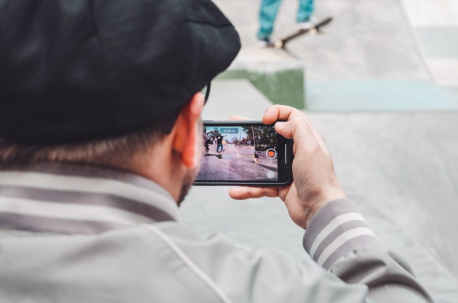
Two-Party Consent In California: Understanding Recording Laws
In the state of California, the primary recording law, Cal. Penal Code § 632, establishes that it is a two-party consent state. This means that all parties involved in a conversation must give their consent to be recorded. If one party wishes to record the conversation, they must inform and obtain consent from all other participants. Failing to do so can result in criminal charges.
It is important to note that this law applies to not only private conversations but also any form of communication, including phone calls, video calls, and in-person discussions. Therefore, if you want to record someone in public in California, you need their explicit consent before pressing the record button.
To charge someone under California Law, four circumstances must be met. Firstly, there must be an intent to secretly record private conversations. Secondly, an electronic recording device must be used. Thirdly, a confidential conversation with a reasonable expectation of privacy must take place. And finally, the recording must violate the consent of all parties involved.
In addition to the two-party consent law, California also has a wiretapping law that prohibits unauthorized recording of phone lines and other digital communication. This means that recording telephone conversations without informing the other party or gaining their consent is illegal unless the recording is being done in response to harassment.
Exceptions To California’s Recording Laws
While California is a two-party consent state, there are certain exceptions where consent is not required to record conversations.
One exception is in public settings where individuals have no expectation of privacy. In such situations, you are generally permitted to record conversations without obtaining consent.
Another exception applies to open government proceedings, such as legislative, judicial, executive, or administrative proceedings. California Penal Code 632 allows for the recording of these public proceedings, though it’s important to note that not all court proceedings may be included.
Furthermore, California allows private citizens to record conversations without consent if they are part of the conversation and are gathering evidence for specific crimes, such as extortion, kidnapping, or harassment. However, it is crucial to exercise caution and consult legal advice before attempting to use this exception, as misinterpretation or misuse of the law may have serious consequences.
Consequences Of Violating California’s Recording Laws
Violating California’s recording laws can have severe consequences. Engaging in illegal recording activities can result in imprisonment for up to one year or fines up to $2,000. Sharing intercepted phone communications without consent may lead to fines up to $5,000 and imprisonment for one year. Failure to comply with hidden camera laws can lead to fines up to $1,000 and imprisonment for one year. Additionally, recording images for commercial purposes can result in up to one year in jail and fines up to $2,500.
It is important to uphold these laws and respect the privacy of individuals. Understanding and abiding by California’s recording laws will ensure that you avoid any potential legal troubles and maintain a respectful approach to documenting public conduct.
In cases of copyright infringement, a Digital Millennium Copyright Act (DMCA) takedown notice can be submitted to address any unauthorized use of copyrighted material. However, this process generally applies to copyrighted works rather than capturing public conduct.
Remember, recording police officers in public spaces is generally permitted as long as no laws are being broken. However, it is always wise to avoid any confrontation, follow instructions given by the officers, and exercise your rights responsibly.
To conclude, documenting public conduct through video recording carries legal implications that vary depending on the state you are in. In California, it is crucial to understand the two-party consent requirement and the exceptions to this rule. By doing so, you can protect yourself from potential legal consequences while responsibly documenting public activities.

Townhall Learn More
